
The Benefits of Modern Pipe Repair Methods
When it comes to maintaining the plumbing infrastructure of any building, traditional repair methods often involve digging up floors or yards, causing disruption and high costs. Fortunately, modern pipe repair methods have revolutionised the way we approach pipe maintenance and restoration. These innovative techniques offer faster, cleaner, and more cost-effective solutions to common plumbing problems.
Understanding Modern Pipe Repair Methods
Modern pipe repair methods focus on minimally invasive techniques that restore the integrity of pipes without the need for extensive excavation. These methods include trenchless technologies such as cured-in-place pipe (CIPP) lining, pipe bursting, and slip lining. Each technique is designed to address specific types of pipe damage, such as cracks, corrosion, or blockages.
For example, CIPP lining involves inserting a resin-saturated liner into the damaged pipe, which is then cured to form a new pipe within the old one. This method can be completed in a matter of hours, significantly reducing downtime and inconvenience.
Advantages of Modern Techniques
Minimal disruption: No need to dig up gardens, driveways, or floors.
Faster completion: Repairs can often be done within a day.
Durability: New linings can extend pipe life by 50 years or more.
Cost savings: Reduced labour and restoration costs.
Environmentally friendly: Less waste and disturbance to surroundings.
Why Choose Modern Pipe Repair Methods?
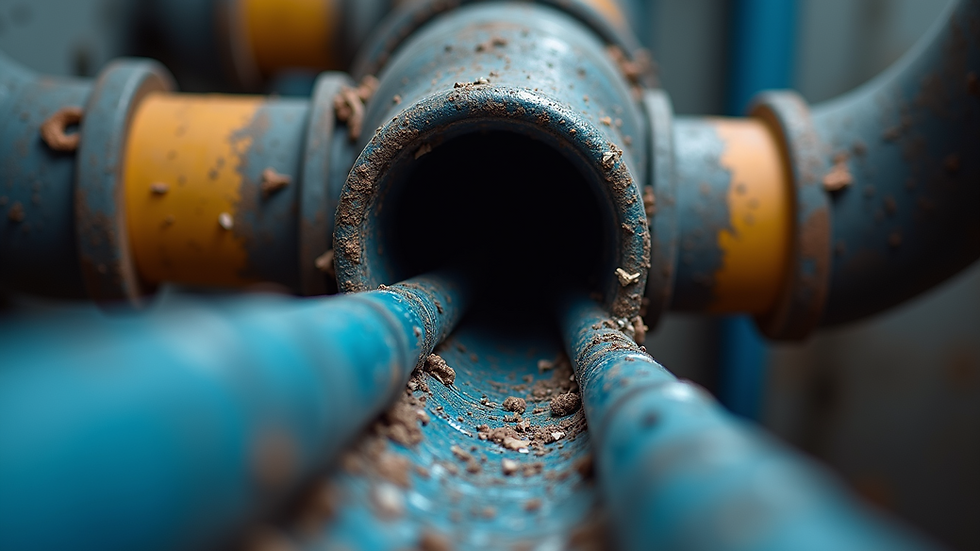
Choosing modern pipe repair methods over traditional excavation offers numerous benefits. Firstly, the reduced need for digging means less damage to landscaping and property structures. This is especially important in urban areas or homes with established gardens.
Secondly, the speed of these repairs means less inconvenience for homeowners or businesses. Traditional repairs can take days or weeks, but modern methods often complete the job in hours. This allows normal activities to resume quickly.
Thirdly, the quality and longevity of repairs are significantly improved. Modern materials used in pipe repair are resistant to corrosion and root intrusion, common causes of pipe failure. This means fewer repairs in the future and better overall system performance.
Practical Examples
A homeowner with a cracked sewer pipe can have it relined without tearing up their backyard.
Commercial properties can avoid business interruptions by scheduling quick pipe repairs during off-hours.
Municipalities can reduce traffic disruptions by using trenchless methods for underground pipe maintenance.

Is pipe relining worth the cost?
One of the most common questions about modern pipe repair is whether the investment is justified. While the upfront cost of trenchless methods like pipe relining may be higher than simple patch repairs, the long-term benefits often outweigh the initial expense.
Cost considerations include:
Reduced labour and restoration costs: No need to repair landscaping, driveways, or flooring.
Longer lifespan: Repairs can last several decades, reducing the frequency of future work.
Lower risk of secondary damage: Traditional digging can cause additional structural issues.
Increased property value: Modern repairs improve plumbing reliability and appeal.
In many cases, the total cost of traditional repairs plus restoration exceeds that of modern pipe repair methods. Additionally, the convenience and reduced disruption add intangible value that is hard to quantify but highly appreciated.
How to Prepare for a Modern Pipe Repair
Preparation is key to ensuring a smooth and successful pipe repair process. Here are some practical steps to take before scheduling a modern pipe repair:
Identify the problem: Have a professional conduct a CCTV pipe inspection to pinpoint the exact issue.
Choose the right method: Consult with a licensed plumber to determine the best repair technique for your situation.
Clear the work area: Remove any obstacles near access points to facilitate equipment setup.
Plan for access: Ensure that technicians can easily reach entry points such as manholes or cleanouts.
Communicate with occupants: Inform household members or employees about the repair schedule and any temporary restrictions.
By following these steps, you can help ensure the repair is completed efficiently and with minimal disruption.
Future Trends in Pipe Repair Technology
The field of pipe repair continues to evolve with advancements in materials and technology. Some exciting trends include:
Smart pipe liners: Incorporating sensors into liners to monitor pipe health in real-time.
Eco-friendly resins: Developing sustainable materials that reduce environmental impact.
Robotic repair systems: Using robots to perform inspections and repairs in hard-to-reach areas.
3D printing: Customising pipe components for complex repairs.
These innovations promise to make pipe repair even more efficient, durable, and environmentally responsible in the years to come.
Modern pipe repair methods offer a compelling alternative to traditional excavation-based repairs. They save time, reduce costs, and minimise disruption while providing long-lasting solutions. Whether dealing with residential plumbing or large-scale infrastructure, embracing these technologies can lead to better outcomes and greater peace of mind.


Comments